
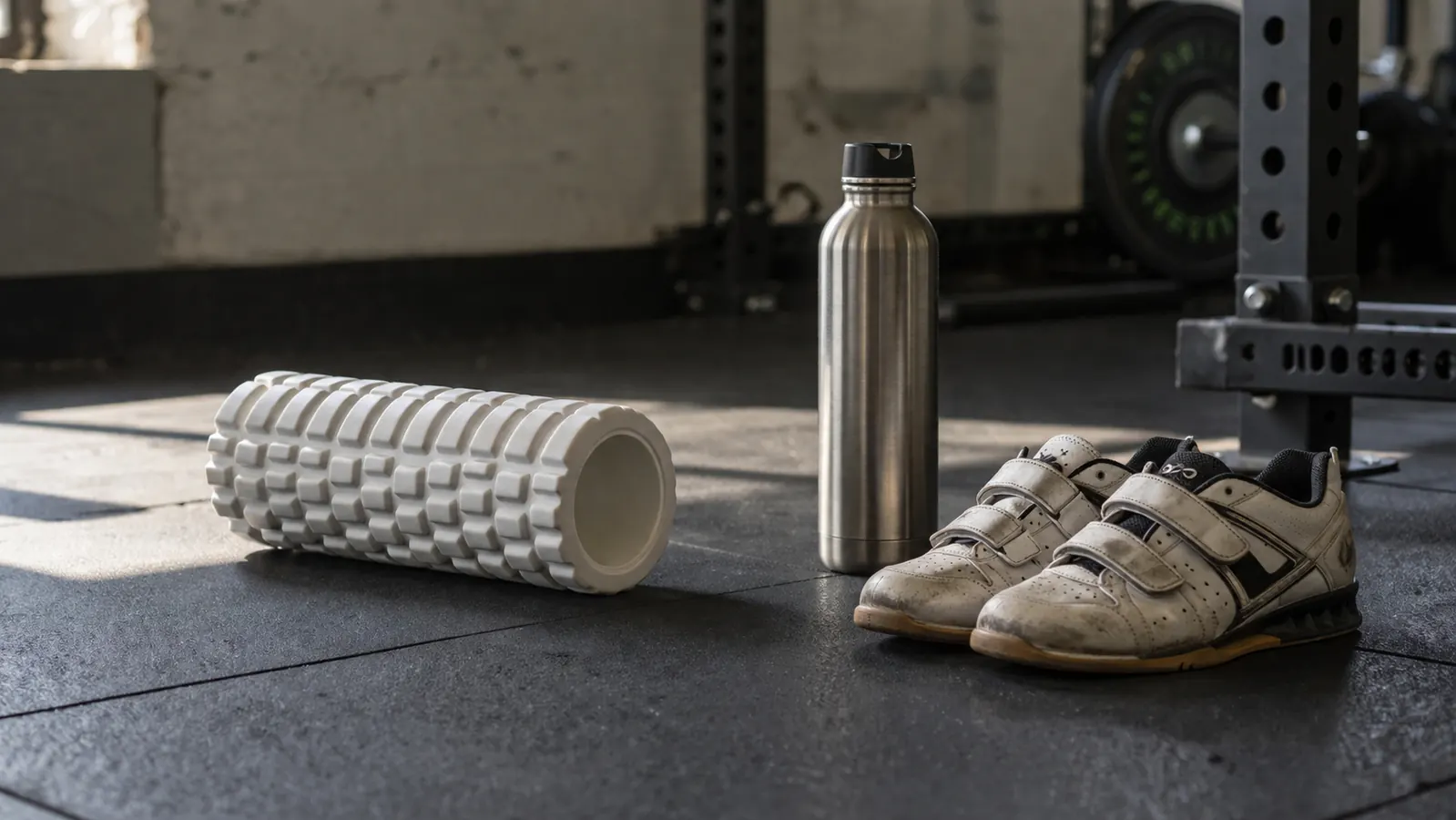
Here's what the TriggerPoint marketing page does not tell you: a plain $12 EVA foam cylinder from a sporting goods bargain bin will loosen your quads. It will crack your upper back. It will get blood moving into your hamstrings before a squat session. The CORE does all of those things too, and at roughly twice the price, the question worth asking is what exactly you're paying for when you upgrade. I put that question to a practical test. I bought the TriggerPoint CORE Foam Roller (ASIN B01BVACFAK, rated 4.6 stars across nearly 8,000 reviews) and a standard dense-foam budget roller at the same time and spent six weeks using both, rotating between them on different muscle groups. This is what I found.
I train five days a week, mostly compound barbell work plus weekend trail running. I am not a physical therapist. I am a guy who has tried enough recovery gear to know when something changes the outcome and when the packaging is doing most of the work. That's the lens this review is written through.
The Quick Verdict
The softer compression is real and it matters for the thoracic spine and IT band. For most other muscle groups, a budget roller gets you 85% of the way there. The CORE earns its keep if you roll daily and have any sensitivity in your upper back or outer hips.
Amazon Check Today's Price →If you've been skipping thoracic rolling because it hurts too much, this is the one to try first.
The TriggerPoint CORE's softer outer layer is specifically built for areas where standard rollers feel punishing. Check today's price below.
Amazon Check Today's Price on Amazon →What Nobody Tells You About Foam Roller Density
Most foam rollers on the market, including many with well-known names, are made from closed-cell EVA foam with a density ranging from medium to very firm. The logic behind that firmness is sound: denser foam holds its shape longer and creates more compressive force per square inch. But that same firmness creates a problem on bony or sensitive areas. Roll a standard hard roller across your thoracic spine and it feels like someone pressing a wooden dowel into your vertebrae. Roll it across an already-inflamed IT band and you'll clench your jaw and stop after thirty seconds.
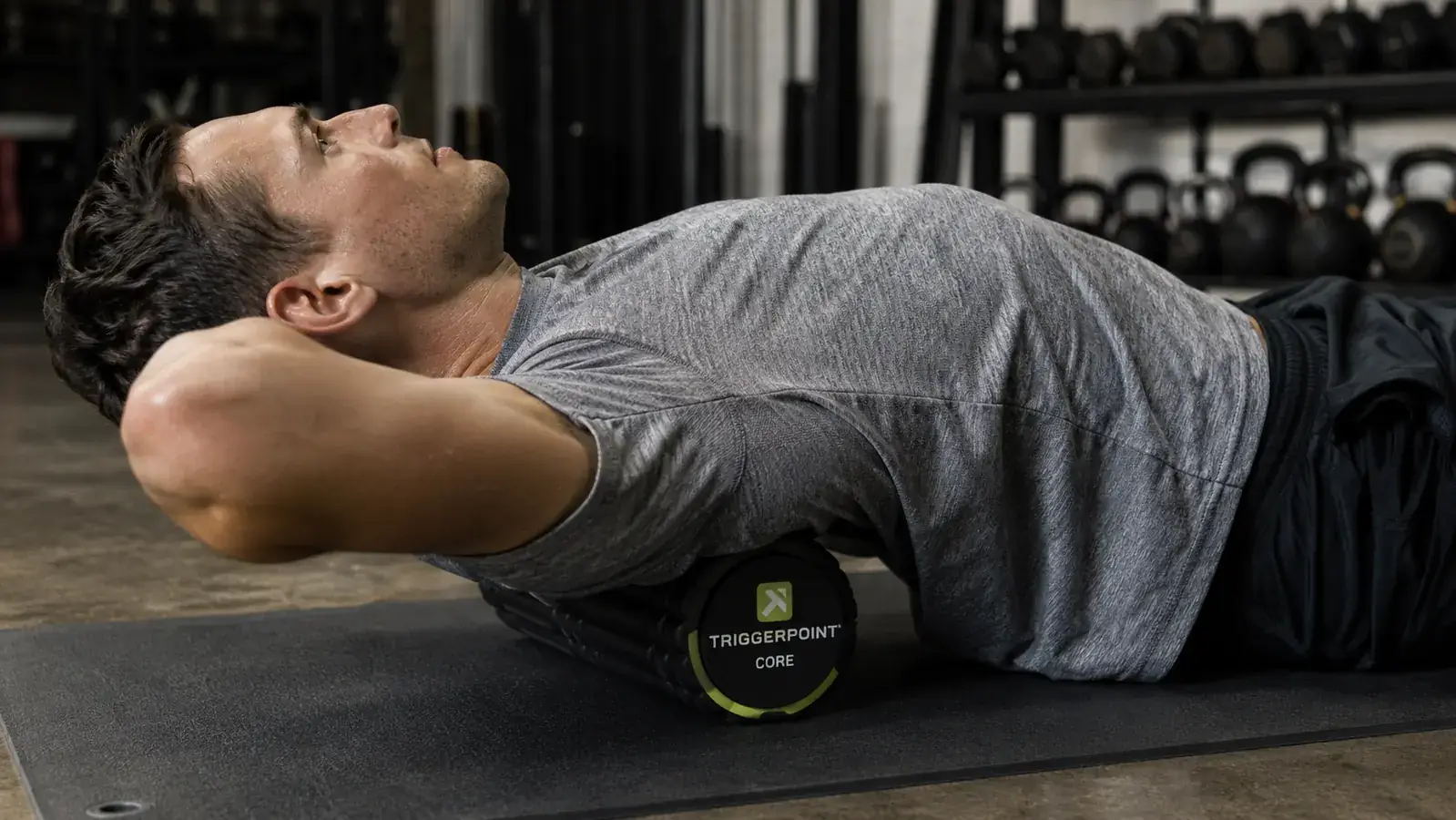
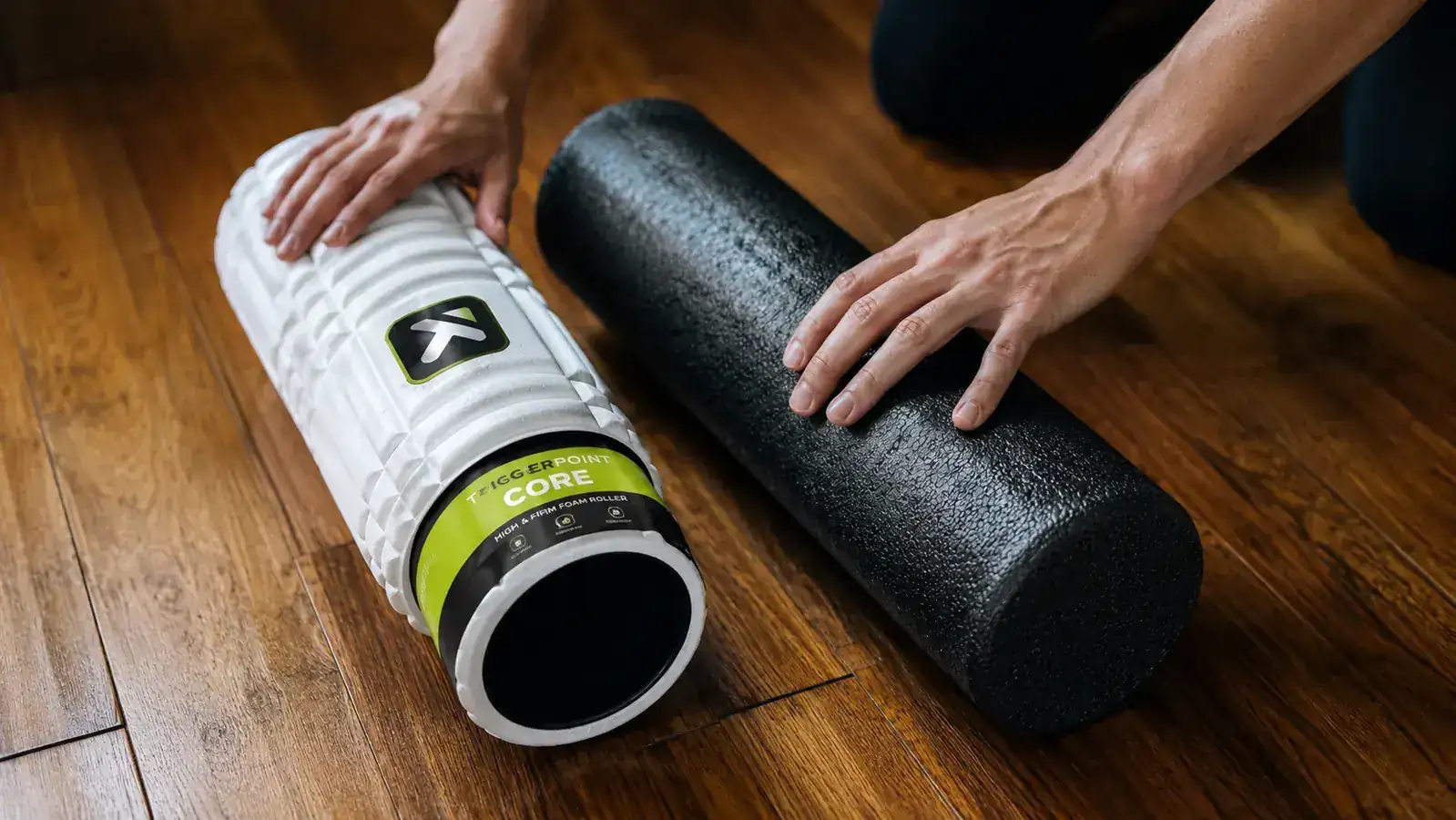
The TriggerPoint CORE solves this with a two-layer construction. The inner core is a rigid hollow cylinder, which keeps the roller from collapsing or deforming over time. The outer layer is a softer, more compliant foam that gives slightly when you put weight into it. That flex, which TriggerPoint calls softer compression, spreads the contact load over a slightly larger area. The result is that rolling still produces meaningful pressure, but the peak pressure at any single point is reduced. That's not marketing language. You can feel it clearly the first time you put weight on the upper back compared to a firm roller.
How I Actually Tested It
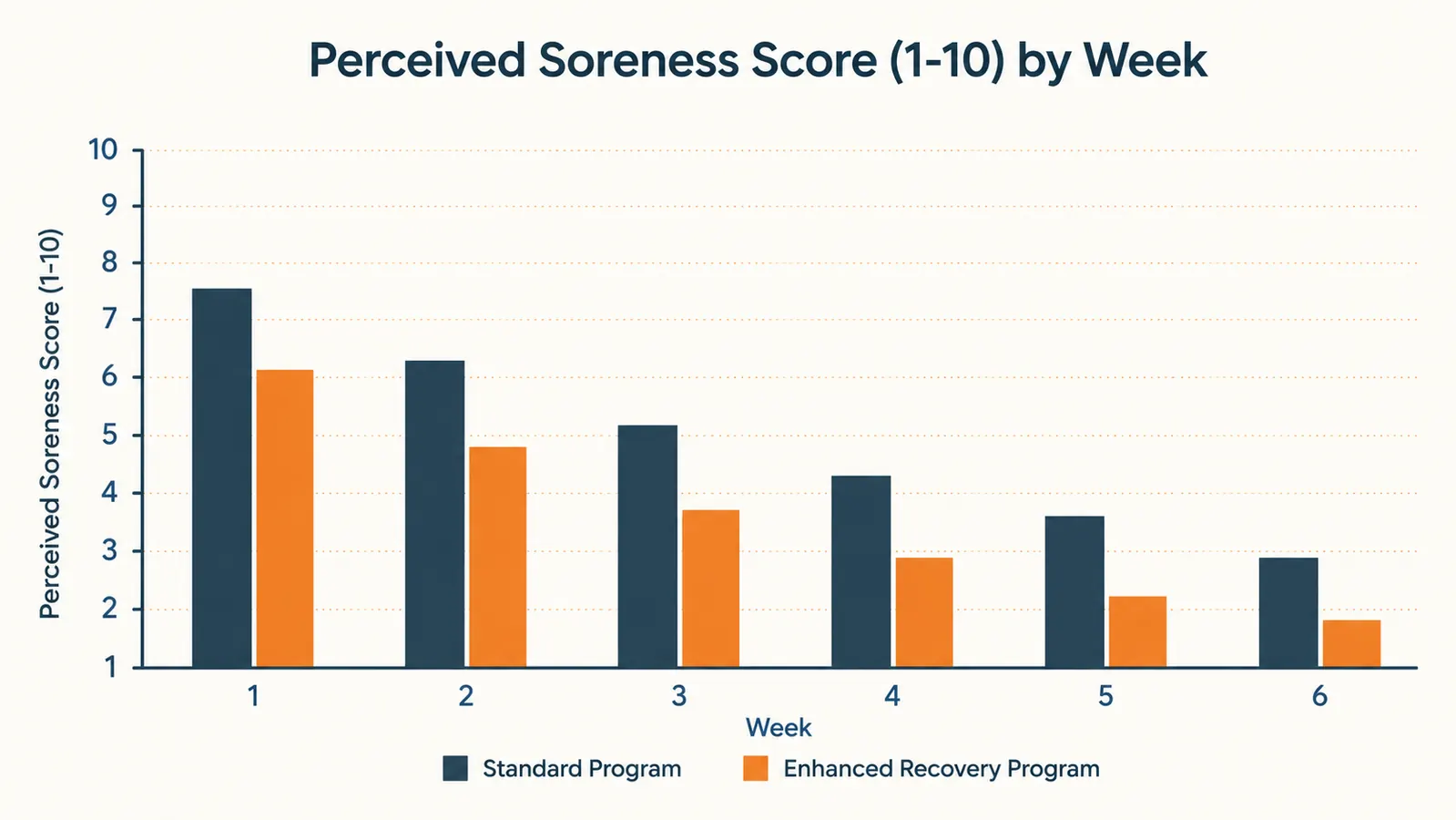
The comparison was intentional and controlled. For weeks one and two, I used the budget roller exclusively and logged perceived soreness on a 1-to-10 scale each morning for my quads, hamstrings, upper back, and IT band. For weeks three and four, I switched to the TriggerPoint CORE with the same rolling routine, same duration (roughly ten minutes post-workout), and same muscle group priority. In weeks five and six, I used both, assigning each roller to the muscle groups it seemed best suited for.
My rolling protocol was consistent across all six weeks: two to three passes per muscle group, pausing for about five seconds on areas of high tension, no aggressive back-and-forth grinding. I kept notes in my phone. I also paid attention to whether I was actually willing to spend time rolling at the end of a session, because a roller you avoid using is not a recovery tool.
One thing I want to flag before the results: foam rolling works best as a complement to a full recovery routine, not a standalone fix. It is not a substitute for sleep, hydration, or adequate protein intake. That said, it does have measurable short-term effects on perceived soreness and range of motion, and those effects are what I was tracking.
A roller you avoid using is not a recovery tool. The CORE's softer feel meant I actually finished the session instead of stopping early on sensitive spots.
The Results: Where the CORE Genuinely Outperforms a Budget Roller
Upper back and thoracic spine: this is where the CORE won decisively and without ambiguity. With the budget roller, I could manage about thirty seconds before the pressure on the thoracic vertebrae became uncomfortable enough to make me stop. With the CORE, I could spend two full minutes working through the upper back, pausing at tight spots, breathing through the pressure. The give in the outer layer makes sustained contact possible in a way that the hard roller simply does not allow. Morning stiffness in my upper back dropped noticeably during weeks three and four.
IT band and outer hip: the outer thigh is another area where density punishes you. The IT band is not actually a muscle you can release through rolling, but the surrounding soft tissue responds to compressive work, and tolerating that compression long enough to produce any effect requires a roller that does not feel brutal. The CORE let me spend twice as long on the lateral quad and TFL before reaching the point where I'd pull back. That extra time seemed to matter. My right hip, which tends to get tight after runs, felt noticeably more mobile the mornings after using the CORE on it.
For anyone looking to go deeper on IT band technique, we have a full protocol at how to foam roll a tight IT band that covers positioning and pressure in more detail.
Where a Budget Roller Keeps Pace
Quads, hamstrings, and calves: on larger, meatier muscle groups with less bone involvement, the difference between the CORE and the budget roller mostly disappeared. Both produced similar effects on my quad soreness after squat days. Both did an adequate job on the hamstrings. For calves, the dense budget roller actually produced slightly more intensity, which some people prefer. If your primary rolling targets are the big lower-body muscle groups and you do not have particular sensitivity in your hips or upper back, the budget roller will get you where you're going.
Durability gap: the CORE's two-layer construction has held up perfectly. But I will be honest, a good-quality EVA budget roller also holds its shape well for the first year or two unless you are extremely heavy or rolling at very high frequency. The CORE will outlast most cheap rollers over a multi-year period, but if you are new to foam rolling and want to try it before committing, a budget roller is a fair starting point.
The Things I Wish the Marketing Told Me
Size is smaller than it looks in photos. The CORE is 13 inches long, which is shorter than standard 18-inch or 36-inch rollers. That length works fine for most upper-back and hip work, but if you want to do full-length spine rolling where you lay the roller vertically from your tailbone to the back of your head, you cannot do that with this roller. A 36-inch version would serve a dual purpose. If length matters for your routine, check the dimensions before ordering.
The softer outer layer does dent with localized pressure over time. I noticed shallow indentations on the outer surface after about four weeks of daily use. They do not seem to affect performance, but if you expect the roller to look pristine after heavy use, it will not. The inner core keeps the roller from flattening, but the outer layer shows wear. This is not a defect, it is expected given the foam type.
Color and texture make it look more premium than the experience sometimes delivers. When a new roller ships, the white surface and clean ridges look great. After a month of gym use, it looks like gym equipment. Bring a spray bottle and wipe it down after sessions if the appearance matters to you.
For a head-to-head breakdown of the CORE against a higher-density option, see our full comparison at TriggerPoint CORE vs RumbleRoller.
What I Liked
- Softer outer compression is genuinely more tolerable on the thoracic spine and IT band than a firm roller
- Rigid inner core prevents the sagging and flattening that kills cheap foam rollers early
- 13-inch length is easier to transport and store than a full-size 36-inch roller
- Textured outer surface creates mild grip that keeps the roller from sliding mid-roll
- 4.6 stars over nearly 8,000 reviews reflects a pattern of real-world performance, not marketing wins
Where It Falls Short
- At 13 inches, too short for full-length spinal extension work lying vertically
- Outer foam layer develops visible dents with daily hard use after four to six weeks
- Costs roughly twice a basic EVA roller for gains that only clearly matter on specific muscle groups
- Not available in a longer version under the same CORE model, so there is no obvious upgrade path if you want more length
- White surface shows dirt and sweat staining without regular cleaning
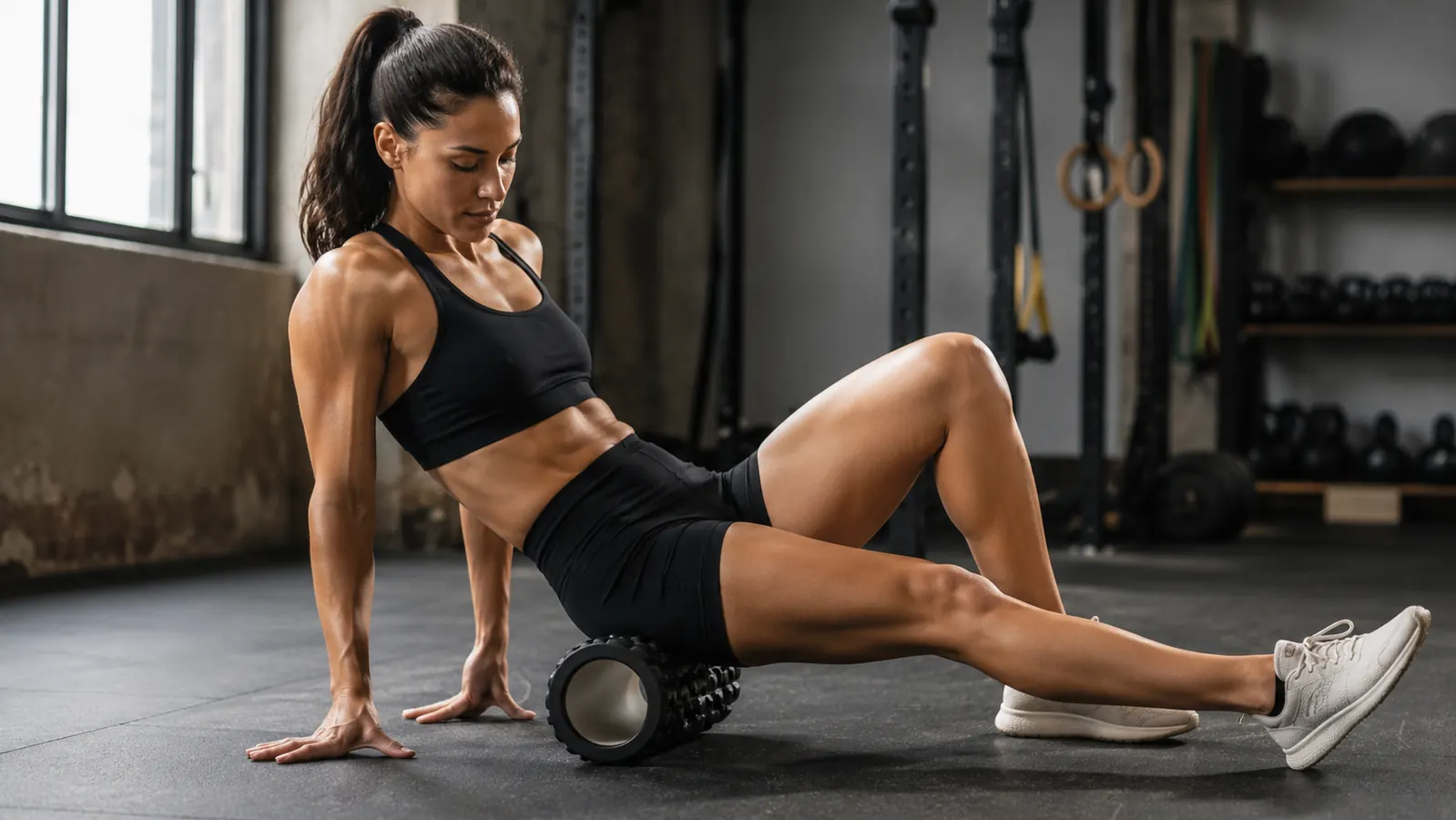
Who This Is For
The TriggerPoint CORE is the right call if you already know you have sensitivity in your upper back, thoracic spine, or IT band area and you have tried a firm roller there and stopped because it was too aggressive. It is also the right call for people who train consistently enough that they will roll multiple times per week and will notice the difference in recovery quality over months, not days. The two-layer design is not a gimmick, but the benefit it delivers is narrow enough that not everyone will feel it equally.
It is also a reasonable first roller for someone who has never owned one and wants to start rolling consistently. The softer compression reduces the chance that the first few sessions feel punishing enough to quit. Getting someone to actually use a recovery tool is more important than getting them the theoretically optimal one.
Who Should Skip It
If you want deep, aggressive myofascial compression work on large muscle groups like the quads or hamstrings, a firmer roller or a textured option like the RumbleRoller will give you more intensity per session. The CORE's softer feel is a feature for sensitive areas, but it is a limitation if you specifically want maximum pressure on meaty muscle groups that can handle it. Similarly, if you need a full 36-inch roller for spinal work or want to use one roller for two people of very different sizes, the 13-inch CORE will frustrate you.
And if you are rolling your calves and thighs occasionally after easy workouts, the performance difference between this and a basic roller will not be meaningful. Save the price difference for something else in your recovery kit.
Ready to actually finish your thoracic rolling session instead of stopping at thirty seconds?
The TriggerPoint CORE's softer compression is the specific fix for people who know firm rollers are too aggressive on their spine and hips. Check today's price and availability on Amazon.
Amazon Check Today's Price on Amazon →