
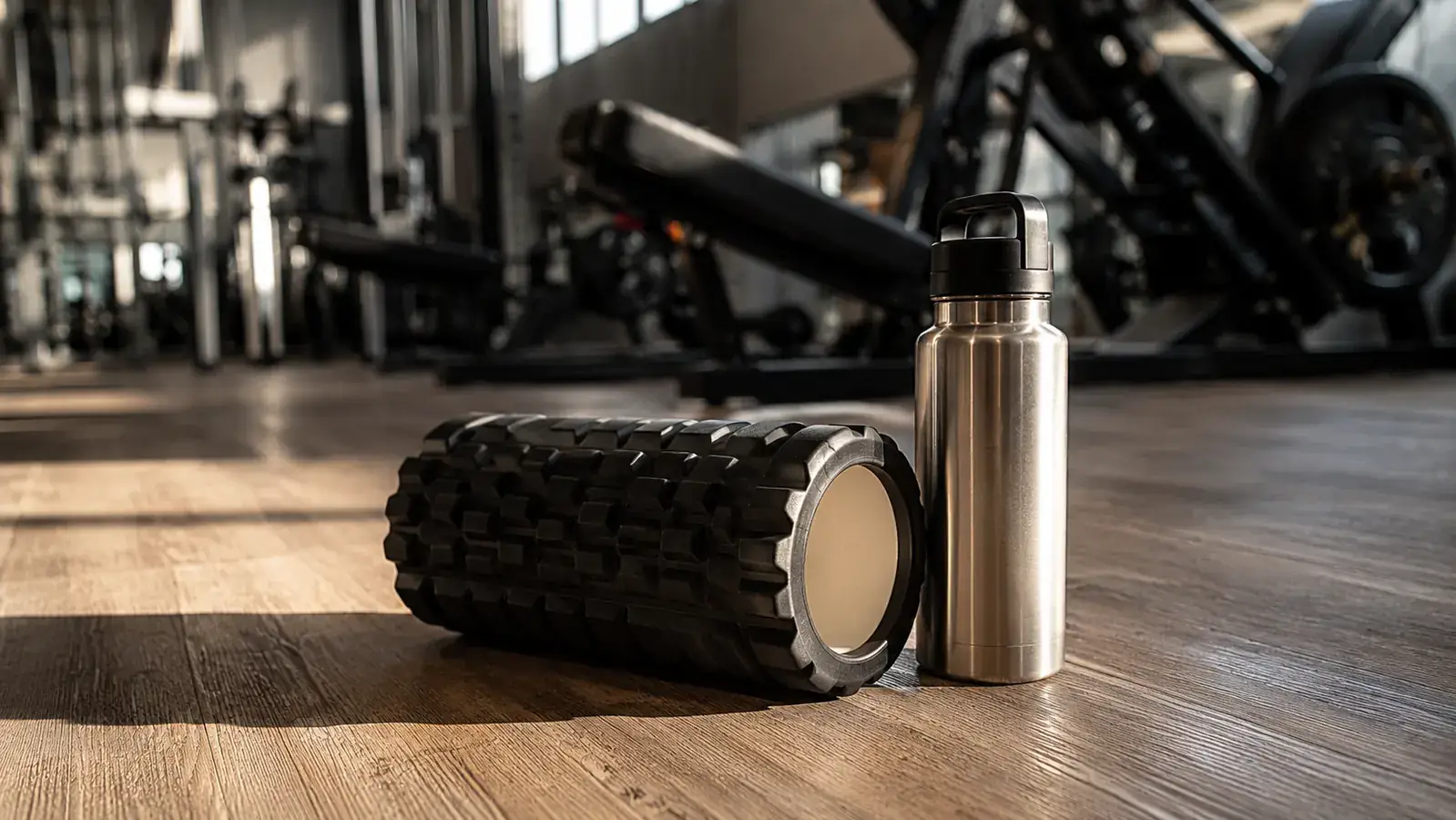
My last foam roller was a cheap PVC tube from a big-box sporting goods store. I used it for about two years before my right IT band got tight enough that rolling on that thing felt like grinding a steel pipe across my leg. I bought it anyway. Every post-leg-day session ended with me gritting my teeth through the first three minutes. My training partner kept telling me the pain meant it was working. I was not convinced. That is when I picked up the TriggerPoint CORE Foam Massage Roller and started over.
I am 41, I train four days a week, mostly compound lifts and long trail runs on weekends. Recovery is not optional for me anymore. If I skip it, I pay for it in the next session. I have been using the TriggerPoint CORE consistently for three months, rolling my quads, hamstrings, IT bands, calves, and thoracic spine almost every time I train. Here is what I actually found.
The Quick Verdict
The softer compression is real and it changes how long you can tolerate each session, which is the whole point. Durable, consistent, and priced well for what you get. The only knock is that foam rollers with more texture give better traction on specific spots.
Amazon Check Today's Price →Still white-knuckling through a hard roller? Here is what softer compression actually feels like.
The TriggerPoint CORE runs budget-friendly and is backed by nearly 8,000 Amazon reviews at 4.6 stars. Check the current price before it moves.
Amazon Check Today's Price on Amazon →How I Have Used It Over 3 Months
My protocol is simple: five to eight minutes of rolling immediately after training, targeting whatever muscle groups I just worked. On leg days that means quads, hamstrings, hip flexors, and IT bands. On upper body days I hit the thoracic spine and lats. On rest days I spend ten minutes working the calves and feet, which get tight from the trail running. The CORE has been the only roller I have touched since week one.
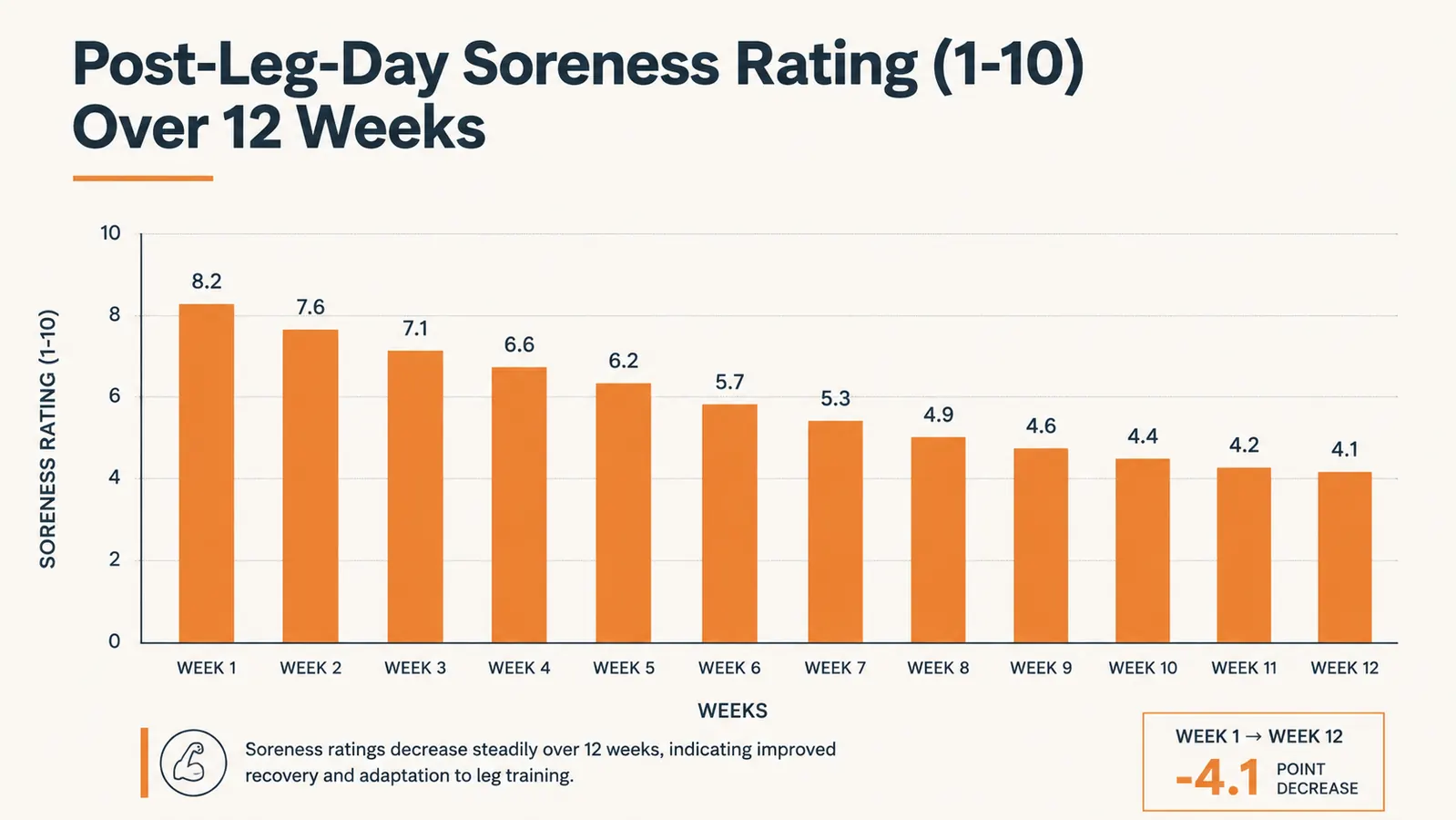
I tracked my perceived soreness on a 1-10 scale after every leg day for the full three months. Not a controlled lab study, but consistent enough to notice a pattern. My average soreness rating the morning after a hard leg session dropped from around 7.5 in weeks one through three to around 4.5 by weeks ten through twelve. Some of that is just progressive adaptation to training. But the rolling sessions were also clearly more thorough because I was not cutting them short from pain. That matters.
I also started rolling my thoracic spine more consistently than I ever had with my old hard roller, because I can stay in that position longer without it becoming intolerable on the vertebrae. That is a use case I did not expect to improve.
The Compression Feel Compared to a Standard Roller
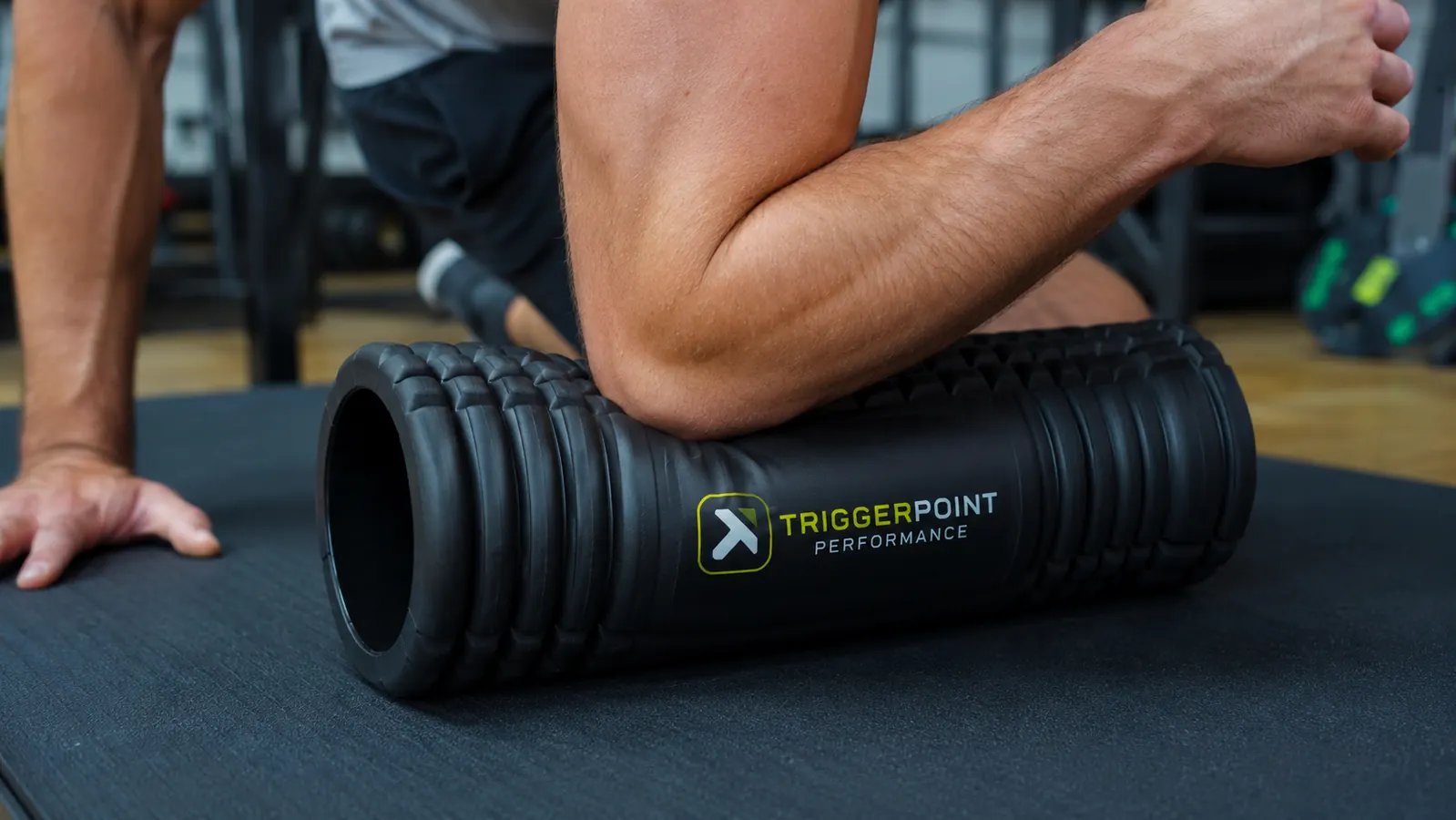
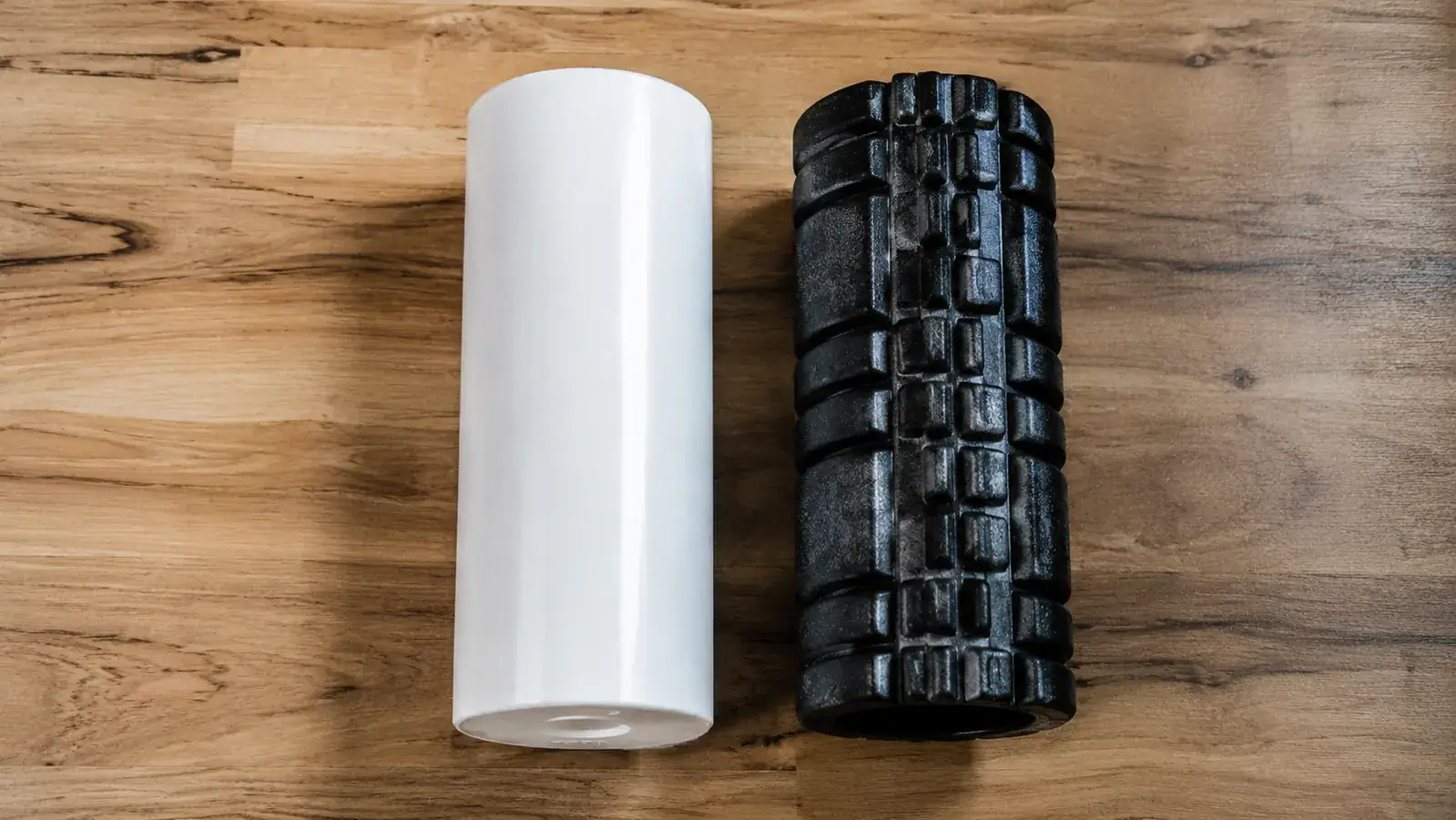
The TriggerPoint CORE is noticeably softer than a standard smooth PVC foam roller. This is the main thing people debate about this product. Some lifters read 'softer' and think 'less effective.' That is not how it works in practice. The CORE provides a yield on contact that distributes pressure across a slightly larger surface area instead of loading everything onto one hard edge. When I roll my IT band, I feel the tissue responding instead of just being compressed. That distinction took me a week or two to appreciate.
The density is not squishy. You are not sinking into it like a couch cushion. It gives slightly, holds, and then you move. That is the right feel for myofascial work. A fully rigid roller is useful if you want deep point pressure, but it limits how long most people will actually stay on a tight spot. The CORE lets you hold positions for longer, which is where the benefit from foam rolling actually comes from.
I stopped cutting my rolling sessions short. That, more than anything else, is why my leg recovery improved after switching rollers.
One honest limitation here: if you need very precise spot work on a stubborn knot, a smooth roller of any firmness is less targeted than a grid-textured roller or a massage ball. The CORE is a full-body rolling tool, not a trigger point pinpoint tool. If you are working specifically on a tight IT band, the technique matters as much as the roller itself, and I go into the exact protocol in detail on this site.
Build Quality and Durability After 3 Months of Daily Use
I weigh 185 lbs. I have rolled over this thing every single training day since I bought it. The CORE has not deformed, cracked, or gone soft in any localized way. The foam surface shows some scuffing on the edges from getting kicked around in my gym bag, but structurally it is identical to the day I opened it. That is good durability for a product in this price range.
TriggerPoint uses what they call a multi-density EVA foam construction over a rigid inner core. The outer layer provides the softer feel; the inner core prevents the kind of compression set you see in cheap single-density foam rollers that go flat and lumpy after a few months. It holds its shape. That is what you are paying a bit more for compared to the bargain-bin options.
The 13-inch length is shorter than some rollers. I prefer it for travel and gym bag packing. If you want full back rolling and you need the extra width, TriggerPoint does make a longer version. For targeted leg and hip work, 13 inches is plenty.
Who Gets the Most Out of This Roller
This roller works best for lifters and runners in the 40-plus age range who have had to scale back how hard they push through discomfort. When you are 22 and grinding on a hard roller for five minutes feels like a badge of honor, fine. When you are 38 and your quads are actually tight and you need to be able to train again in 48 hours, the goal is tissue response, not tolerance. The CORE gives you more of the former.
It also suits beginners well. If someone is new to foam rolling and starts on a fully rigid roller, the experience can be discouraging enough that they quit after a week. The CORE's compliance lowers that barrier without sacrificing actual effectiveness. You can build rolling volume with it without dreading the session.
Athletes with existing connective tissue sensitivity, IT band issues, or thoracic stiffness will particularly appreciate the controlled pressure. If you are comparing this against a more aggressive textured roller like the RumbleRoller, the choice comes down to whether you want broad tissue release or targeted grid pressure -- they solve different problems.
Tradeoffs Worth Knowing About
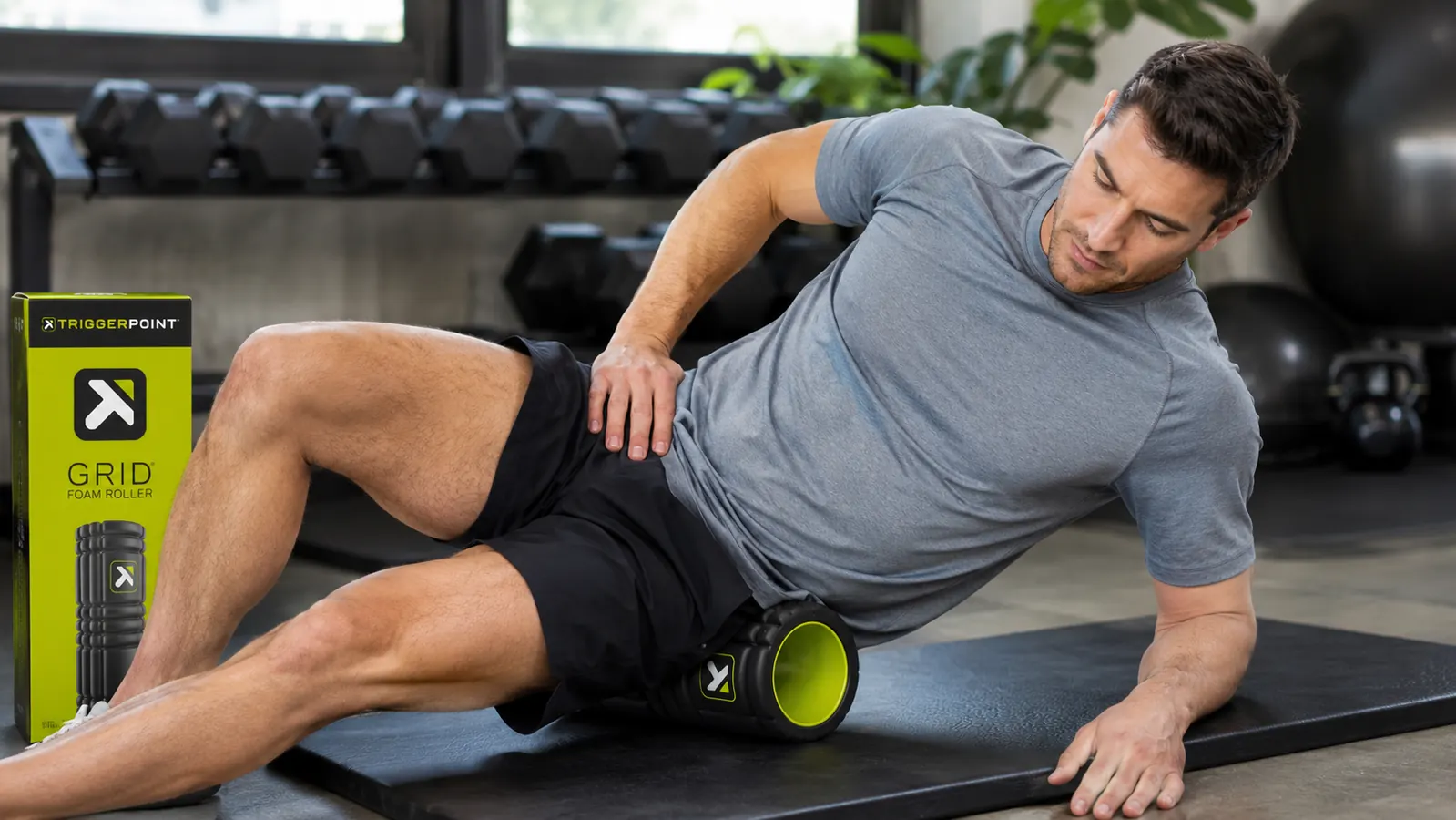
The CORE is a smooth-surface roller. It has no grid, no nubs, and no raised features. For me that is fine because I use a lacrosse ball for specific trigger point work on my glutes and a massage gun for the upper traps. If you want one tool that does both broad rolling and spot pressing, you will need to add something to your toolkit. The CORE is not a complete recovery kit by itself.
It is also priced higher than the basic foam rollers you find in discount bins. The 13-inch CORE sits in the mid range at current prices. You can find a comparable-length hard foam roller at a lower price point. The question is whether the compression difference justifies the gap. For me it did, because it changed how much rolling I actually do. A tool you use consistently at a moderate price outperforms a tool you avoid at a budget price.
One last thing: the smooth surface can shift on hardwood floors if you are on it without a mat. I always roll on a yoga mat or rubberized gym floor and have no issues. But if you roll on hardwood, keep a mat under it.
What I Liked
- Softer compression means longer, more productive rolling sessions without cutting them short
- Multi-density construction holds its shape after months of daily use under real body weight
- 13-inch length is easy to pack in a gym bag without taking up the whole bag
- Works especially well for thoracic spine and IT band, where hard rollers get abandoned quickly
- Budget-friendly at current price with nearly 8,000 reviews backing the durability claim
- Quiet and clean -- no moving parts, no charging, nothing to break
Where It Falls Short
- Smooth surface does not provide the targeted spot pressure a grid or nub roller gives
- 13-inch length is shorter than some full-back rolling setups require
- Surface can slide on hardwood floors without a mat underneath
- Not a substitute for a massage ball or trigger point tool on isolated knots
Who This Is For
This roller is for the lifter or runner who trains consistently, takes recovery seriously, and has found that a hard rigid roller makes the session miserable enough to skip. If you are in your 30s or 40s and your soft tissue feels like it needs actual persuasion rather than punishment to loosen up, the CORE's compliance is genuinely useful. It is also right for beginners who want to start a foam rolling habit without a brutal entry experience. If you have the discipline to use a roller every session, this one will hold up and deliver.
Who Should Skip It
If you already own a grid-textured roller and it feels fine to you, this is not a meaningful upgrade. The softer compression is the whole differentiator here. It is also not the right call if you are primarily looking for targeted knot work -- for that, a dedicated trigger point ball or a massage gun with a small head attachment will do more. And if budget is the only variable and you are fine tolerating a harder surface, the budget PVC rollers will get the job done. You will just use them less, or at least that was my experience.
Three months in, this is the roller I still grab every training day.
The TriggerPoint CORE is affordably priced right now with free Prime shipping. Worth checking the current price before your next leg day.
Amazon Check Today's Price on Amazon →