Knee sleeves are one of the most purchased recovery tools in any gym bag, and also one of the most frequently returned. The complaint is almost always the same: it rolls down, it cuts into the back of the knee, or it feels like it is doing nothing. Before you blame the sleeve, check whether you sized it correctly. Most fit problems come down to a measurement made in the wrong place or a compression level chosen by guessing. This guide walks through every decision point so you buy right the first time.
The compression knee sleeve I have used most consistently over the past several months is the CAMBIVO 2-Pack Knee Compression Sleeves. With over 45,000 reviews and a 4.4-star rating, it covers the range of activity types this guide addresses, from running to squatting to casual walking. I will reference it throughout as a practical benchmark.
If your current sleeve rolls down during squats, the size is wrong, not the brand.
The CAMBIVO 2-Pack comes in seven sizes and ships a sizing chart that actually works. Over 45,000 buyers have dialed in the fit. Check current sizing and price before picking a size blind.
Amazon Check Today's Price on Amazon →Step 1: Measure Your Knee in the Right Spot
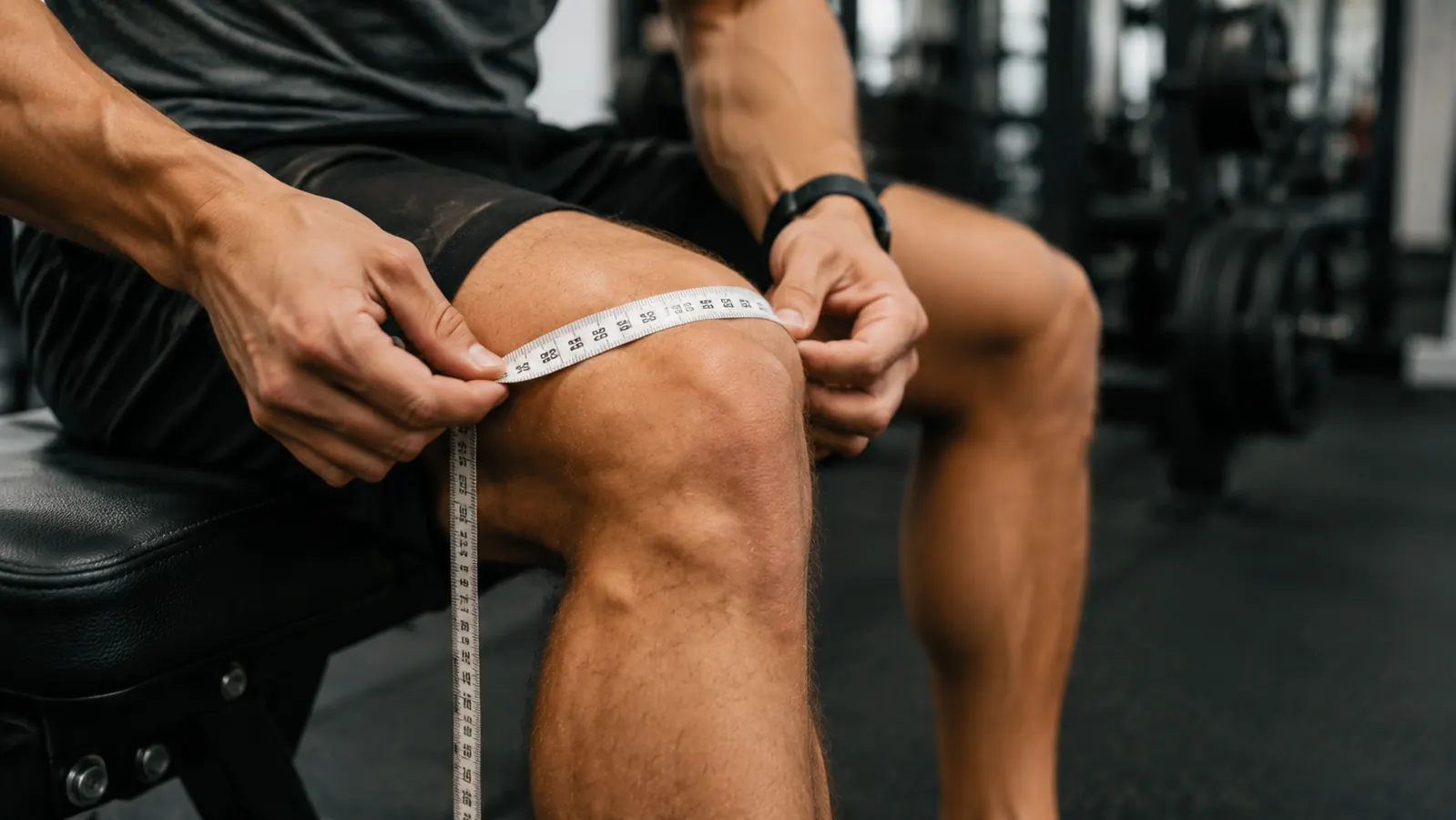
The single biggest sizing mistake is measuring the widest part of the thigh or the calf instead of the knee itself. Knee sleeves size to knee circumference, measured at the center of the kneecap. Use a soft tape measure and stand with your leg straight, not bent. A bent knee measurement runs roughly 1 to 1.5 cm larger and will push you into a size that sits loose when you actually move.
Write that number down before you open any size chart. Most brands use a measurement in centimeters, so if you only have a US-inch tape, multiply by 2.54. For CAMBIVO specifically, the size steps run every 2 cm, so being borderline between sizes is common. When you land exactly on a boundary number, go smaller rather than larger if you will be using the sleeve for high-repetition activity like running. A snug fit holds position through a full range of motion. A loose fit bunches behind the knee within the first mile.
If both knees measure differently (which is common after any previous injury or asymmetrical training history), size each knee independently. This is exactly why value packs that include two separate sleeves, like the CAMBIVO 2-Pack, are more practical than single-sleeve purchases for most people.

Step 2: Match Compression Level to Your Activity Type
Compression level is measured in millimeters of mercury (mmHg), the same unit used for blood pressure cuffs. Most consumer knee sleeves do not print this number on the packaging, which makes comparison harder, but understanding the general ranges helps you evaluate what you are actually buying.
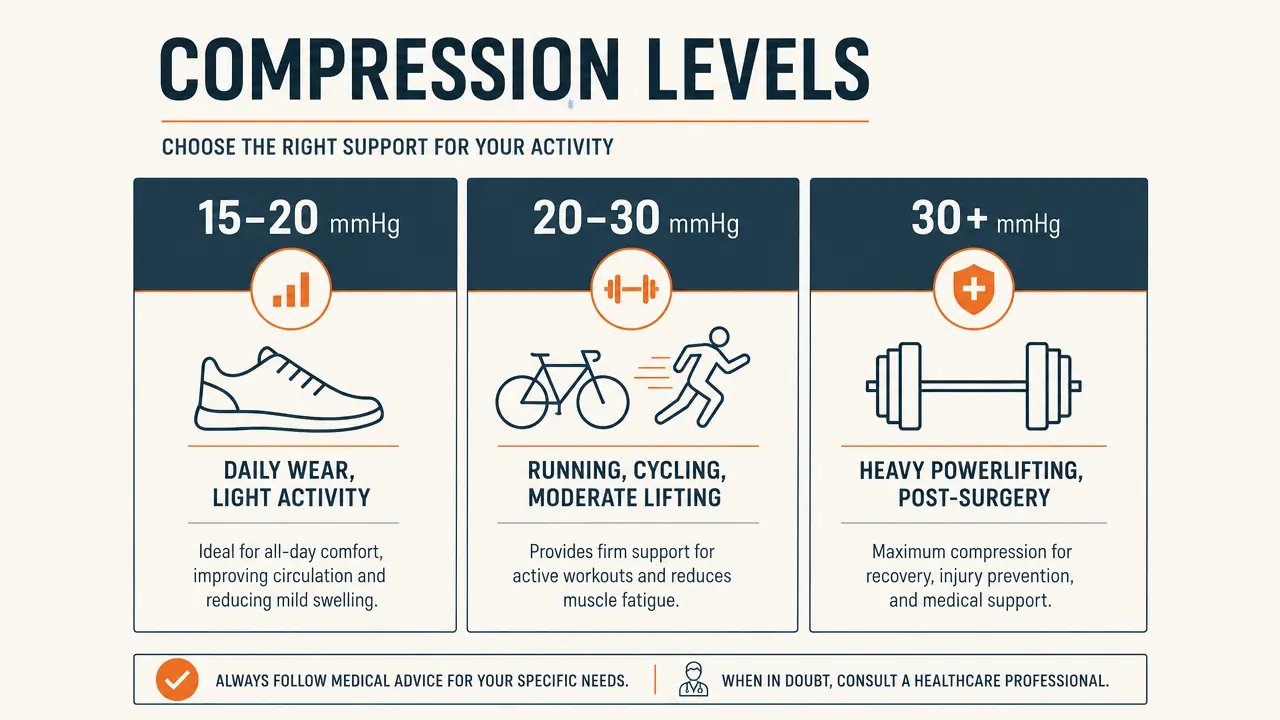
Light compression (roughly 15 to 20 mmHg) is appropriate for all-day wear, desk workers with swelling from sitting, and recovery walking. It improves circulation and reduces fluid buildup without restricting movement. If your goal is simply to keep the knee feeling supported through a full workday, this range is plenty.
Moderate compression (20 to 30 mmHg) covers the majority of gym and running use cases. This is the range where a well-fitted sleeve actively helps proprioception, meaning your brain gets better feedback about where your knee is during movement. Squats, lunges, cycling, trail running, and court sports all fall here. The CAMBIVO sleeves sit in this range, which explains the broad audience in their reviews. You will find competitive runners next to casual gym members next to hikers, and the compression level is flexible enough to serve all of them.
High compression (30 mmHg and above) is territory typically reserved for heavy powerlifting, post-surgical recovery under physical therapy guidance, or significant chronic swelling. Sleeves in this range are noticeably stiffer, often require effort to put on, and are not designed for extended wear or aerobic activity. Unless you are competing in powerlifting or working under a PT's instruction, you do not need this range. Buying a heavy-compression sleeve for jogging is like buying snow tires for a sunny climate.
Step 3: Check the Material for Your Specific Use Case
The three most common sleeve materials are neoprene, nylon-spandex blends, and knitted polyester-elastane. Each trades off differently depending on how you train.
Neoprene sleeves are thicker, retain heat well, and provide a firmer feel. They work for weightlifting sessions where you want joint warmth and structural rigidity. The downside is that neoprene does not breathe. In anything cardiovascular, you will sweat heavily inside the sleeve and the material can chafe behind the knee. If you run more than you lift, neoprene is generally the wrong choice.
Nylon and spandex blends, which is what the CAMBIVO sleeves use, stretch in multiple directions, move with the leg without bunching, and dry quickly after a sweaty session. They feel lighter and less restrictive, which makes them the default pick for running, cycling, hiking, or any workout where the knee needs to move freely for extended periods. The compression comes from the knit tension rather than material thickness.
Knitted polyester-elastane blends split the difference. They are common in medical-grade sleeves where durability through repeated washing matters as much as performance. If you plan to wear a sleeve daily for months and machine wash it frequently, check whether the material specification includes elastane (also labeled as Lycra or Spandex) because pure polyester alone loses its compression shape after repeated heat cycles.
Fit beats brand every time. A correctly sized budget sleeve will outperform a premium sleeve in the wrong size for 100% of users, 100% of the time.
Step 4: Confirm the Fit Before Committing to the Sleeve in a Workout
Once your sleeve arrives, do a fit check before you train in it. Put it on while standing, then sit down and bend the knee to 90 degrees. The sleeve should not dig into the back of the knee or create a ridge of fabric behind the joint. If it does, the sleeve is too small or the material density is too high for your knee geometry.
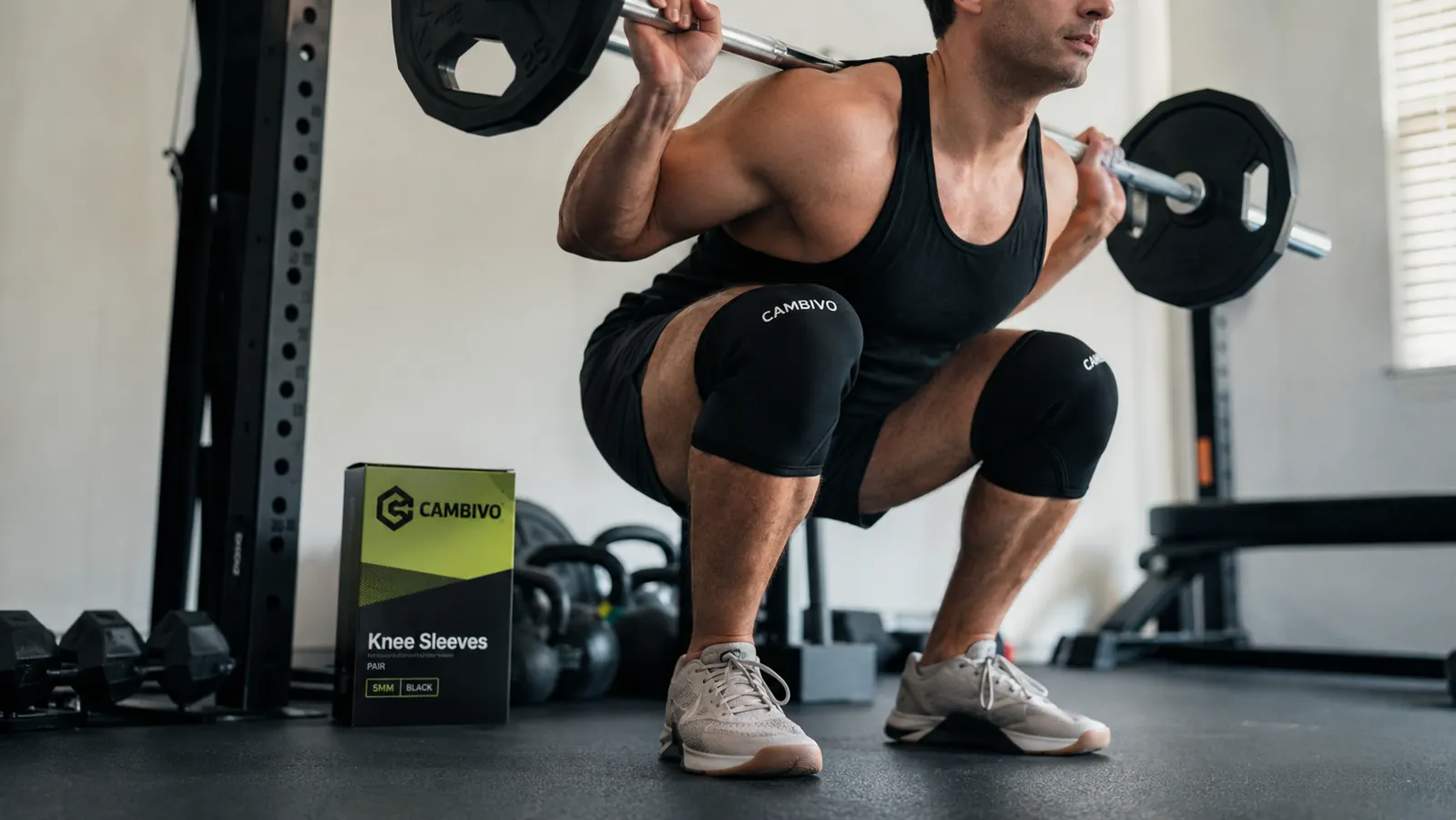
Next, stand back up and do ten bodyweight squats. Watch in a mirror if you can. A correctly fitted sleeve should stay centered over the kneecap through the full squat range. If the top edge rolls down below your thigh during the ascent, the sleeve is too long for your leg segment or the top band lacks sufficient grip. If the bottom edge rides up above the calf on the descent, the sleeve is too short.
For the CAMBIVO sleeve, the silicone grip strip at both the top and bottom edges handles this anchoring reliably through squat and lunge depth. That feature is worth looking for in any sleeve you evaluate, because the alternative is re-adjusting mid-set.
Step 5: Know When to Wear It and When to Leave It Off
A compression sleeve is a training and recovery aid, not a correction for underlying structural problems. Wearing a sleeve does not replace strengthening the muscles around the knee. If your knees track inward during squats because your glutes and hip abductors are weak, a sleeve will not fix that tracking problem. Address the strength deficit alongside using the sleeve.
That said, the appropriate times to wear a compression sleeve are broader than many people assume. Wearing one during a long run when your knees historically swell after mile six is a reasonable application. Wearing one during heavy squat sessions to improve proprioceptive feedback and reduce post-session puffiness is also reasonable. Wearing one during recovery walks after a hard leg day to support circulation is another valid use. You do not need to reserve the sleeve only for worst-case knee days.
For a deeper look at the recovery-side benefits, this rundown of 10 evidence-backed reasons compression sleeves speed up recovery covers what the research actually says about circulation, proprioception, and inflammation reduction.
What you want to avoid is wearing the sleeve so constantly that your leg muscles stop doing the stabilization work on their own. Keep it on during training and for a couple of hours of post-workout recovery. Take it off for the rest of the day and for sleep. Your knee should not become dependent on external compression to feel stable during low-demand activity.
What Else Helps
A compression sleeve is one piece of a functional recovery setup. Most lifters and runners who see the biggest benefit from a sleeve are also doing some combination of regular soft-tissue work, targeted strengthening, and attention to training load. If you are consistently relying on the sleeve to get through sessions that would otherwise be cut short by knee discomfort, the sleeve is a signal, not a solution. Use that signal to look at your weekly mileage, your squat mechanics, or your recovery frequency.
That said, for the right application, a well-chosen and correctly sized compression sleeve is a straightforward and low-cost addition that holds up through months of use. For a full account of how the CAMBIVO sleeve performs after extended daily wear across different activity types, the long-term CAMBIVO knee sleeve review covers five months of running and gym use with specific detail on durability and fit consistency over time.
You measured right, you know your compression level. Now pick the sleeve that actually holds its shape after 50 washes.
The CAMBIVO 2-Pack is one of the most reviewed knee sleeves on Amazon for a reason. Size chart is accurate, the grip strips work, and the pair pricing makes it practical to size each knee independently if needed.
Amazon Check Today's Price on Amazon →